
Headlines of the Day
India’s indie wearables face their Fitbit moment
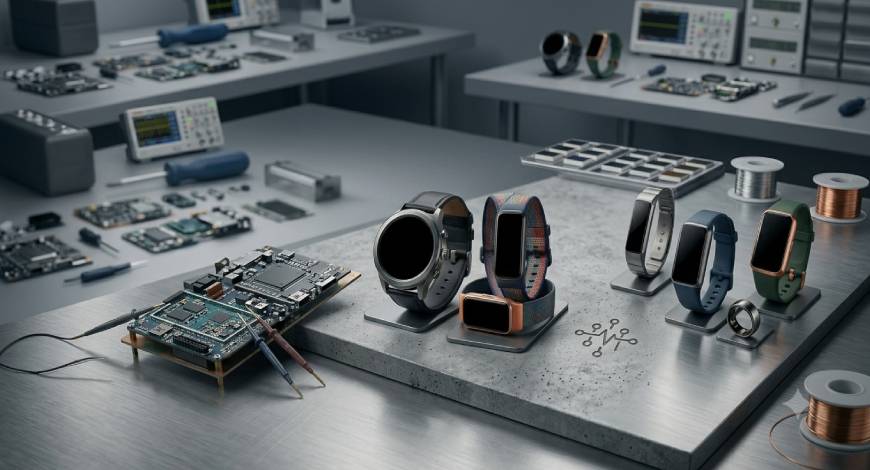
Noise leads India’s smartwatch market and boAt leads earwear, and by IDC India’s count, homegrown brands still hold the top shipment numbers in a wearables industry now three years into contraction. That leadership looks less secure once the direction of the pressure is clear. It is not coming from better products. It is coming from Oppo, OnePlus, Realme and Xiaomi selling wearables as an extension of the phones already in customers’ pockets, and that is precisely the force that has hollowed out independent wearable brands in other markets before.
Leading a shrinking market
Overall wearable shipments in India fell 4 percent in 2025 to 114.2 million units, the second straight annual decline, IDC India estimates. Smartwatches took the biggest hit, down 17.6 percent to 28.9 million units as buyers stretched out upgrade cycles in a category that had little new to offer them. Earwear grew a modest 1.4 percent to 84.7 million units, carried by steady demand for true wireless stereo devices. Analysts at Counterpoint Research describe the shift as one from volume to value, with buyers now weighing health tracking, AI features and durability rather than picking up another entry-level device. For India’s homegrown brands, that shift raises the bar precisely where scale, not software depth, has been their strength.
The ecosystem squeeze
Oppo, folding in OnePlus and Realme, has pushed its combined earwear share to 19.2 percent, while Xiaomi has posted double-digit smartwatch growth, both gains coming inside a shrinking overall market. Neither is winning on standalone product merit alone. A wearable sold alongside a phone carries a lower cost of acquiring the customer than one sold on its own, and that structural advantage is exactly what independent brands elsewhere have failed to out-compete.
Where this has happened before
India’s homegrown brands are not the first to face this exact pressure. Fitbit built the wearables category before Apple and Samsung existed in it, then spent years losing ground to phone-ecosystem competitors before Google acquired it in 2021. Jawbone, an early and well-funded fitness-band pioneer, shut down in 2017 unable to match the distribution and bundling power of phone makers. Pebble, the smartwatch that arguably started the category on Kickstarter, sold its software assets to Fitbit in 2016 rather than continue competing alone. None of these were undifferentiated products. They lost to distribution and ecosystem lock-in, not to inferior engineering, and that is the same pressure now bearing down on Noise and boAt.
What holds up and what does not
The clearest parallel with China itself is instructive here too: even inside China’s own wearables market, homegrown ecosystem giants Huawei and Xiaomi dominate, leaving little room for standalone domestic brands to build scale the way Noise and boAt have in India. That suggests the ecosystem advantage is closer to a universal rule of this category than an India-specific quirk.
For India’s indie brands, survival looks less like matching Chinese pricing and more like building the things a phone bundle cannot easily replicate: local manufacturing that improves margins and service turnaround, strong omnichannel retail presence, and a genuine move into emerging categories like smart glasses before ecosystem players get there first. Whether that is enough will determine whether Noise and boAt end up as India’s answer to Fitbit, absorbed or diminished, or the exception that held its ground.
CT Bureau










You must be logged in to post a comment Login