
Headlines of the Day
From tariffs to AI: The big tests for India-US ties
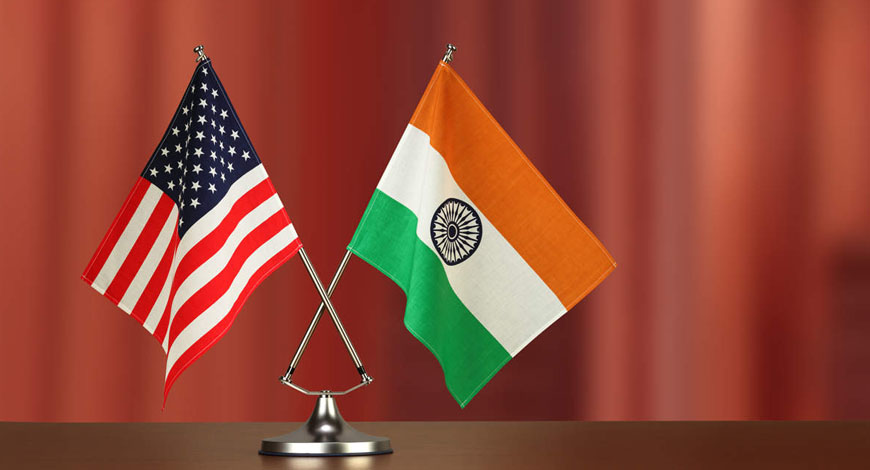
The second Donald Trump administration will likely mark a decisive turn for most countries. There are peculiar strands that distinguish India from others in how New Delhi’s relationship with the US has changed. Existing frameworks may be proving insufficient, indeed redundant in some cases, to guardrail the direction and objectives of the relationship.
Beyond the upheavals over tariff, immigration and the import of Russian oil, the past few weeks alone have witnessed several instances that will be consequential for the bilateral relationship. India has become a target of a new line of tariff of 12.5 per cent which the US Trade Representative has proposed. This acts as a pressure tool amid ongoing trade negotiations.
The US government has also issued an export-control directive to suspend all access to Fable 5 and Mythos 5 by any foreign national, whether inside or outside America. The decision is likely to impact India perhaps more than any other nation, given one of the strongest tech-dependent diasporas and the growing tech-interdependence between the two nations.
But what has drastically added to the strain has been the death of three Indian seafarers in a US strike on a commercial oil tanker. India summoned the US Charge-d’Affaires to launch a protest but the incident itself is likely to ring much louder than just a political démarche. The US has framed its action as enforcement of a naval blockade against Iran. On strict legality, a blockade is a recognised method of warfare under customary international law, including the law of naval warfare. However, the attack has raised questions over trust and strategic coordination that the various frameworks between the two nations promise.
In most cases, the crew, flag and other information of transiting ships is publicly available. It is hard to believe that the US would not have an internal assessment of the presence of another strategic partner’s nationals in large numbers on board ships that it was going to attack. Could India have been intimated timely – a natural expectation under existing strategic frameworks — if the US Navy and the CENTCOM indeed felt that lack of action would have violated the blockade? For sure, a lawful blockade which requires interception, visit, search, and capture or seizure, would have provided the US Navy with ample time to avert a direct strike. Then, there is the question of proportionality in the decision of disable-by-destruction when civilian seafarers are onboard. India also qualifies as a neutral state in this conflict whose ships and crew retain certain protections under maritime laws. Indian Express







You must be logged in to post a comment Login