
Headlines of the Day
India in final stages of rolling out ISM 2.0, Amitesh Sinha
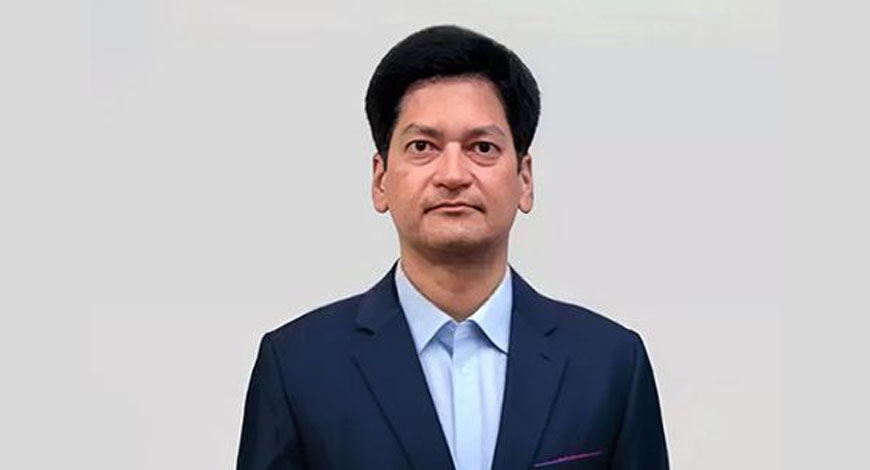
Under ISM 2.0, India is moving from a fab-centric subsidy regime to a full-stack semiconductor strategy that builds ecosystem depth, skilled talent, capital access, and industry-led R&D around existing and upcoming projects.
The Finance Ministry’s Expenditure Finance Committee (EFC) has cleared an outlay of ₹1.25 lakh crore for ISM 2.0, up sharply from ₹76,000 crore in the first phase. The proposal now awaits Union Cabinet approval. Announced in the Union Budget 2026–27, the enhanced allocation underscores the government’s intent to accelerate India’s semiconductor ambitions and reduce dependence on imports.
Shift to full-stack ecosystem
According to Amitesh Kumar Sinha, CEO, India Semiconductor Mission, ISM 2.0 marks a strategic shift from a fab-centric approach to a full-stack semiconductor ecosystem. While ISM 1.0 focused on fabrication, OSAT, and design incentives, the new phase integrates upstream and downstream elements including semiconductor equipment, specialty materials, gases, packaging, and design services.
The policy aims to localise more of the value chain, develop regional clusters around fabs and OSAT units, and strengthen supply chain resilience for key sectors such as AI, electric vehicles, telecom, defence, and electronics manufacturing.
Stronger focus on talent and R&D
Skilling has been identified as a critical pillar, with emphasis on developing talent across design, manufacturing, packaging, and semiconductor equipment R&D. ISM 2.0 proposes industry-linked training centres, closer academia–industry collaboration, and dedicated funding for workforce development in FY 2026–27.
The programme also prioritises industry-led research and development, indigenous intellectual property creation, and deeper participation from venture capital in semiconductor and deep-tech startups.
Growing project pipeline
India’s semiconductor programme has already built momentum:
- 12 approved semiconductor projects with a total investment of about ₹1.64 lakh crore
- Includes 1 silicon fab, 2 compound semiconductor fabs, and 9 packaging units
- 24 projects supported under the Design Linked Incentive (DLI) scheme
- Over 100 companies granted access to advanced chip design tools
- 23 chip tape-outs completed across foundries
Two semiconductor manufacturing units have already commenced commercial production, with several more expected to go operational in the year.
Global competitiveness and market access
ISM 2.0 also recognises the capital-intensive nature of the semiconductor industry and the need for global scale. The policy encourages Indian firms to integrate into global markets, improve cost competitiveness, and attract partnerships with international technology players.
With supply chains diversifying globally, the mission is expected to position India as a credible semiconductor manufacturing and innovation hub, supporting critical industries including electronics, automotive, telecommunications, and industrial automation.
CT Bureau









You must be logged in to post a comment Login