
CT’s Take
AI+ and Motorola are turning bad reviews into legal battles
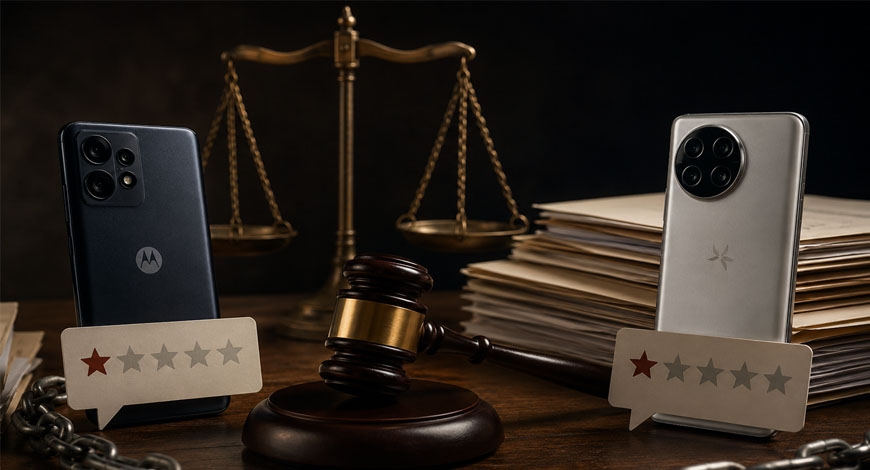
India’s smartphone market is supposed to reward better hardware, sharper pricing and cleaner software. Increasingly, it is also rewarding those who can hire the better lawyers. In the space of a few months, both Motorola and homegrown brand AI+ have turned to the courts to muzzle critical reviews and social media commentary, signalling that it may be easier to sue than to compete.
Motorola Mobility has filed a sweeping civil defamation suit in a Bengaluru court against major platforms, including YouTube, Instagram, and X, as well as dozens of tech creators, over content it claims falsely portrays its phones as prone to fires or explosions. The company is seeking the takedown of hundreds of posts and a permanent injunction against what it calls defamatory material, a move experts warn could chill robust product criticism in a market where influencer reviews heavily shape consumer choice. A Bengaluru civil court has already granted an interim injunction restraining creators from posting allegedly defamatory content and directing platforms to make flagged material non-searchable at least until the next hearing, effectively turning private brand concerns into court-enforced moderation.
AI+, the ambitious “Made in India” brand founded by former Realme India chief Madhav Sheth, has followed a similar playbook. After an investigation by popular YouTuber Mrwhosetheboss raised questions around Chinese-linked apps, rebranded hardware, and privacy claims, the company moved the Delhi High Court against Indian tech reviewers, securing an ad-interim injunction that temporarily restrained specific critical videos and content deemed commercially disparaging. AI+ has publicly framed the backlash as a learning curve, saying it is “continuously learning and evolving” while quietly relying on legal notices and court orders to manage the most damaging narratives.
Both episodes exploit an increasingly interventionist judicial mood on online speech. Courts have shown themselves willing to grant quick interim injunctions, often on the basis of brand affidavits alleging factual falsity or malice, while leaving questions about technical evidence and consumer harm to be sorted out over longer hearings. Combined with India’s already strict IT rules and traceability expectations, the result is an environment where platforms are nudged to err on the side of takedowns and where creators must factor legal risk into every sharp-edged review.
For consumers, the irony is stark. A market of nearly a billion internet users needs more independent testing, not less, at a time when devices are more opaque and software stacks more complex than ever. Instead, India is becoming a live case study in how brands can use defamation law as a strategic tool: to police speech, reset narratives and buy time, even as core questions of product quality, data security and genuine “Made in India” credentials remain only partially answered.
CT Bureau








You must be logged in to post a comment Login